Your feet are the foundation of your body, carrying you through thousands of steps every day. Despite their importance, they are often one of the most overlooked parts of a healthy self-care routine. Proper foot care not only keeps your feet looking clean and healthy but also supports posture, balance, mobility, and overall well-being.
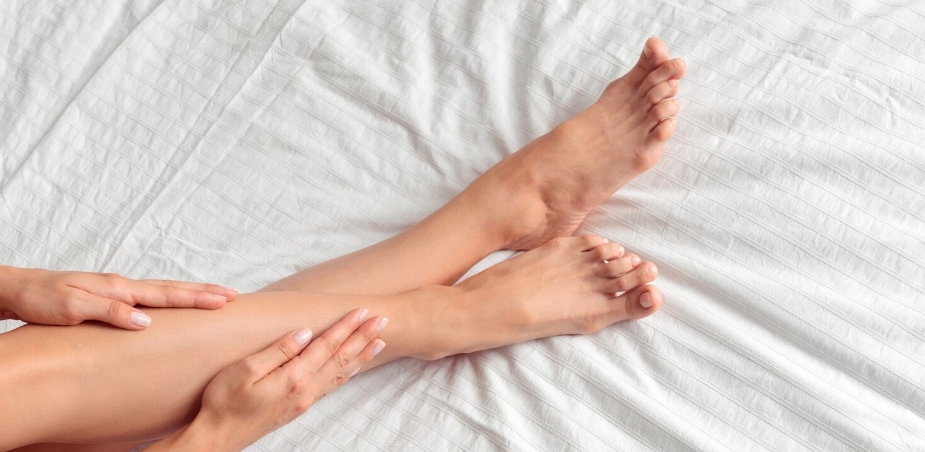
By following a simple daily foot care ritual and adapting your routine to the changing seasons, you can prevent common problems such as dry skin, blisters, fungal infections, calluses, and foot pain—keeping your feet comfortable and healthy all year long.
Why Foot Health Matters
Each foot contains 26 bones, 33 joints, and more than 100 muscles, tendons, and ligaments that work together to support your body's movement. Healthy feet contribute to proper alignment, helping reduce unnecessary stress on your ankles, knees, hips, and lower back.
Neglecting foot care can lead to discomfort that affects your entire body. Common issues such as cracked heels, corns, athlete's foot, or poorly fitting shoes may alter the way you walk, increasing the risk of joint pain and muscle strain.
Keeping your feet healthy helps:
- Improve balance and stability
- Support healthy posture
- Reduce foot fatigue and discomfort
- Lower the risk of fungal and bacterial infections
- Prevent cracked skin, calluses, and blisters
- Encourage an active, healthy lifestyle
Your Daily Foot Care Ritual
A few minutes of daily care can make a significant difference in your foot health.
Wash Your Feet Daily
Clean your feet with warm water and a gentle soap, paying close attention to the spaces between your toes where moisture and bacteria can accumulate. Avoid soaking your feet for long periods every day, as excessive soaking may dry out the skin.
Dry Thoroughly
After washing, gently pat your feet dry, especially between the toes. Trapped moisture creates an environment where fungal infections, such as athlete's foot, can develop.
Moisturize Your Feet
Apply a moisturizing cream or lotion to keep the skin soft and prevent dryness and cracking. Focus on the heels and soles, but avoid applying moisturizer between the toes to reduce excess moisture.
Trim Toenails Properly
Trim your toenails straight across rather than rounding the corners. This helps reduce the risk of ingrown toenails and keeps nails healthy and comfortable.
Wear Clean Socks and Supportive Shoes
Choose breathable socks made from moisture-wicking materials and wear shoes that fit properly without squeezing your toes. Good footwear provides cushioning, supports your arches, and helps prevent blisters and foot fatigue.
Seasonal Foot Care Tips
Your feet face different challenges throughout the year. Adjusting your routine with the seasons helps protect your skin and maintain comfort.

Summer Foot Care
Warm weather often means sandals, swimming, and increased sweating, all of which can affect foot health.
To keep your feet healthy during summer:
- Wash your feet daily to remove sweat and bacteria.
- Wear breathable shoes and moisture-wicking socks when exercising.
- Apply sunscreen to the tops of your feet when wearing sandals.
- Change out of wet shoes or socks as soon as possible.
- Wear flip-flops or water shoes in public pools, gyms, and locker rooms to reduce the risk of fungal infections.
- Moisturize your heels regularly to prevent dry, cracked skin caused by heat and sun exposure.
Winter Foot Care
Cold temperatures and indoor heating often leave feet dry and irritated.
Protect your feet during winter by:
- Applying a richer moisturizer or foot cream each evening.
- Wearing warm, breathable socks that keep feet dry without trapping excessive moisture.
- Avoiding boots that are too tight, which can reduce circulation and cause discomfort.
- Changing damp socks promptly after being outdoors.
- Exfoliating rough skin once or twice a week to help prevent thick calluses and cracked heels.
Give Your Feet Weekly Attention
In addition to daily care, set aside time each week to keep your feet in top condition.
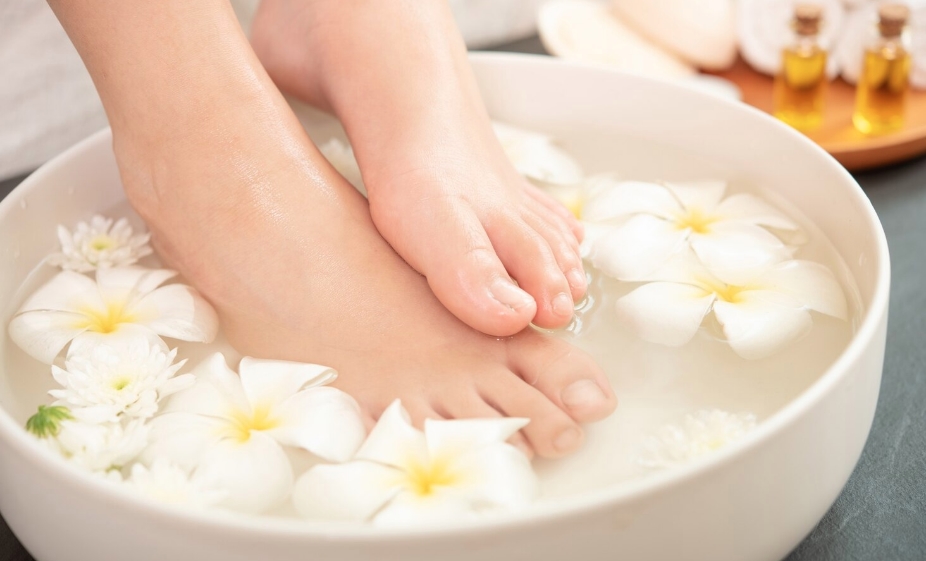
A weekly routine may include:
- Gently exfoliating rough skin with a pumice stone or foot file.
- Applying a nourishing foot mask or intensive moisturizing treatment.
- Checking your feet for cuts, blisters, swelling, nail changes, or signs of infection.
- Stretching your feet and calves to improve flexibility and reduce tension.
Regular self-checks can help you notice small problems before they become larger concerns.
Healthy Habits for Lifelong Foot Care
Simple lifestyle habits can help protect your feet for years to come.
- Rotate your shoes to allow them to dry completely between wears.
- Replace worn-out footwear that no longer provides adequate support.
- Avoid walking barefoot in public areas.
- Stay physically active to promote healthy circulation.
- Maintain good hydration to support healthy skin.
If you have diabetes, poor circulation, or persistent foot pain, inspect your feet daily and seek professional medical advice if you notice sores, numbness, swelling, or wounds that do not heal.
Healthy Feet Support a Healthy Life
Your feet work hard every day, and caring for them is an important part of maintaining your overall health. A simple daily routine of cleansing, moisturizing, wearing supportive footwear, and adapting your care to each season can help prevent common foot problems while improving comfort and mobility.

Healthy feet make it easier to stay active, maintain good posture, and enjoy everyday activities with confidence. By making foot care a regular part of your wellness routine, you're investing in your body's foundation—one step at a time.
Remember
Your feet carry you through life—treat them with care. A few minutes of daily attention can prevent pain, discomfort, and costly treatments down the road. Make foot care a non-negotiable part of your self-care routine.